

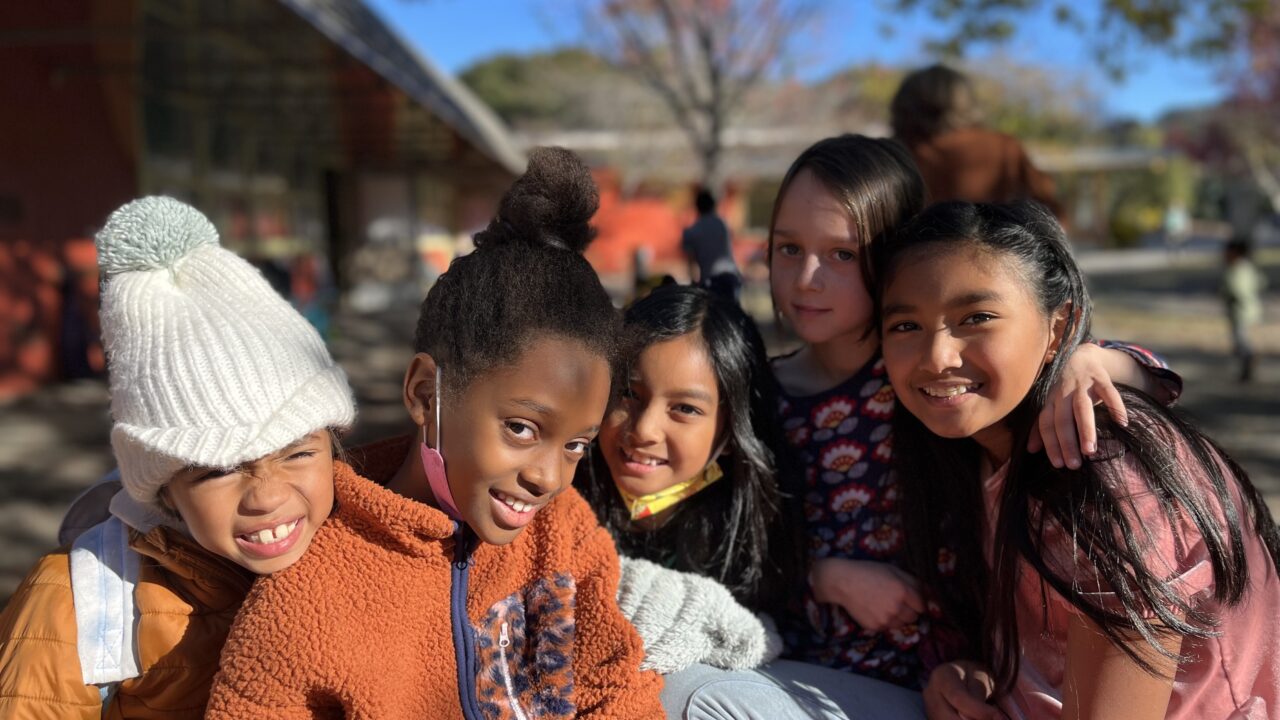
Educating the Whole Child
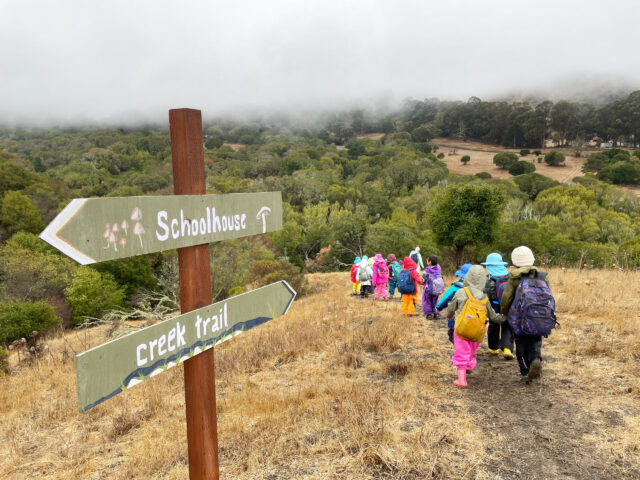
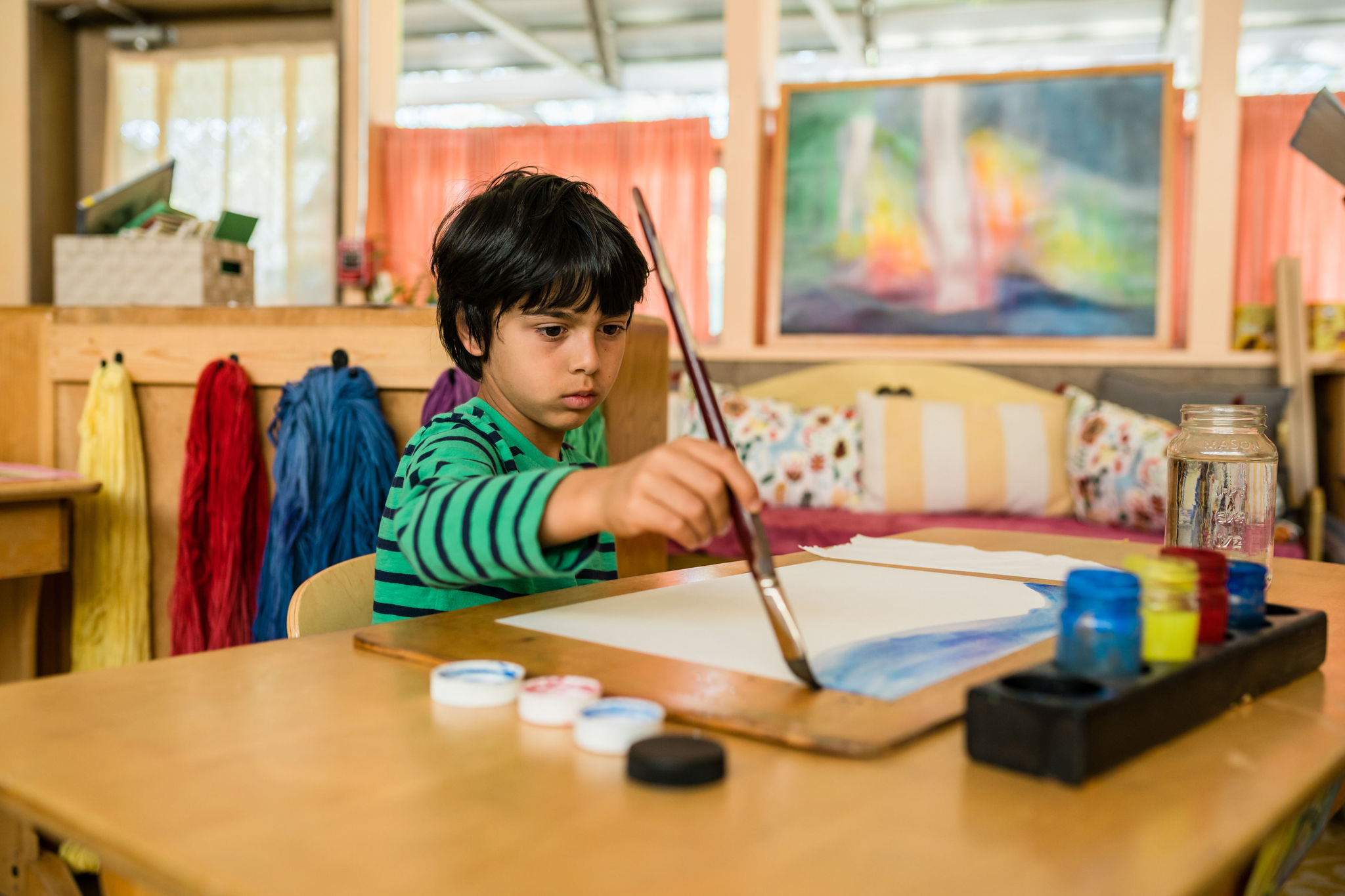
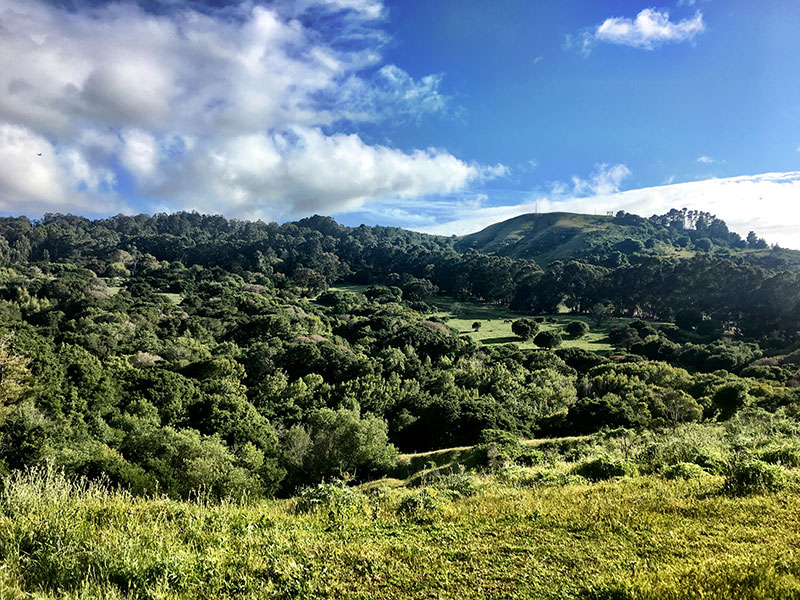
Wildcat Canyon Community School serves students from preschool and kindergarten through middle school. Set on 91 acres in the East Bay, our campus is home to trails, a creek, multiple play areas, chickens, a woodworking shop, an abundant garden, and so much more!
Land Acknowledgment
We at Wildcat Canyon Community School honor the native peoples of this land: the Confederated Villages of Lisjan, Him’ren, Muwekma and Ohlone Tribe, Inc.* We recognize that their sovereignty was never ceded; it was never given up, and that all non-native people to this land are settler occupiers, many brought against their/our will. We acknowledge the continued legacy of systemic racism stemming from the historic inequities of genocide and enslavement that equally require a process of truth and reconciliation in our nation. We are committed to taking action as a community, investing in the pursuit of equity, and repairing harm through a restorative justice approach.